


Last June I Ubered in a red Tesla to Chester Correctional Institution outside Philadelphia for an in-person visit with Muhammed. In stark contrast to Somerset Correctional Institution, where Muhammed spent so many years, inmates at Chester are treated with a kind of respect rarely afforded at Somerset. The difference is palpable as soon as you queue up for security and make your way to the visitors room.
Muhammed is living on a senior block and has become reacquainted with men he served time alongside over the decades in prisons across the state. Not long ago, he told me, they celebrated the 90th birthday of a fellow inmate.
We sat together in the visiting room, shared a plastic container of fruit and cheese from the vending machine, snacked on a bag of microwave popcorn, and circled the room gently holding hands. The photo taken of us there is on my refrigerator and pops up on my Aura digital frame many mornings at breakfast.
My video visits with him and his lawyer's mother continue to be remarkably interesting and fun. Few subjects are off limits. I've come to know Muhammed as a wise, intelligent, loving, and very informed man.
The legislative fight to rewrite Pennsylvania's mandatory life-without-parole (LWOP) sentence for felony murder ended in failure. Despite the Pennsylvania Supreme Court's instruction to the General Assembly to rewrite the law within 120 days, lawmakers could not agree on a replacement. Through a series of complicated maneuvers, advocates who have fought for sentencing reform for more than a decade managed to stop a bill that would have been nearly as punitive as the existing law.
But there is good news. In September, the Pennsylvania Supreme Court agreed to hear the case of Jerome Coffey, a Philadelphia man serving life without parole for a murder committed in 1992. The question before the Court is whether its earlier decision in Commonwealth v. Lee, which struck down mandatory LWOP for second-degree murder, applies retroactively. A favorable ruling could open the door to seeking resentencing for some 1,100 people already serving these sentences in Pennsylvania, even perhaps Muhammed.
When will this happen? How long will it take? Even the lawyers and advocates at the Abolitionist Law Center (ALC), who are leading this fight, can only estimate. The wheels of justice turn at a glacial pace, but they are turning. And the commitment of ALC's team to making this right is nothing short of extraordinary.
I've participated in a number of video calls with hundreds of other family members and friends of people serving LWOP sentences. The chat rooms are on fire with questions for ALC representatives. We are all teetering between hope and reality. What stays with me is the extraordinary love and commitment so many people have for their incarcerated loved ones, despite what so often feels like insurmountable odds.
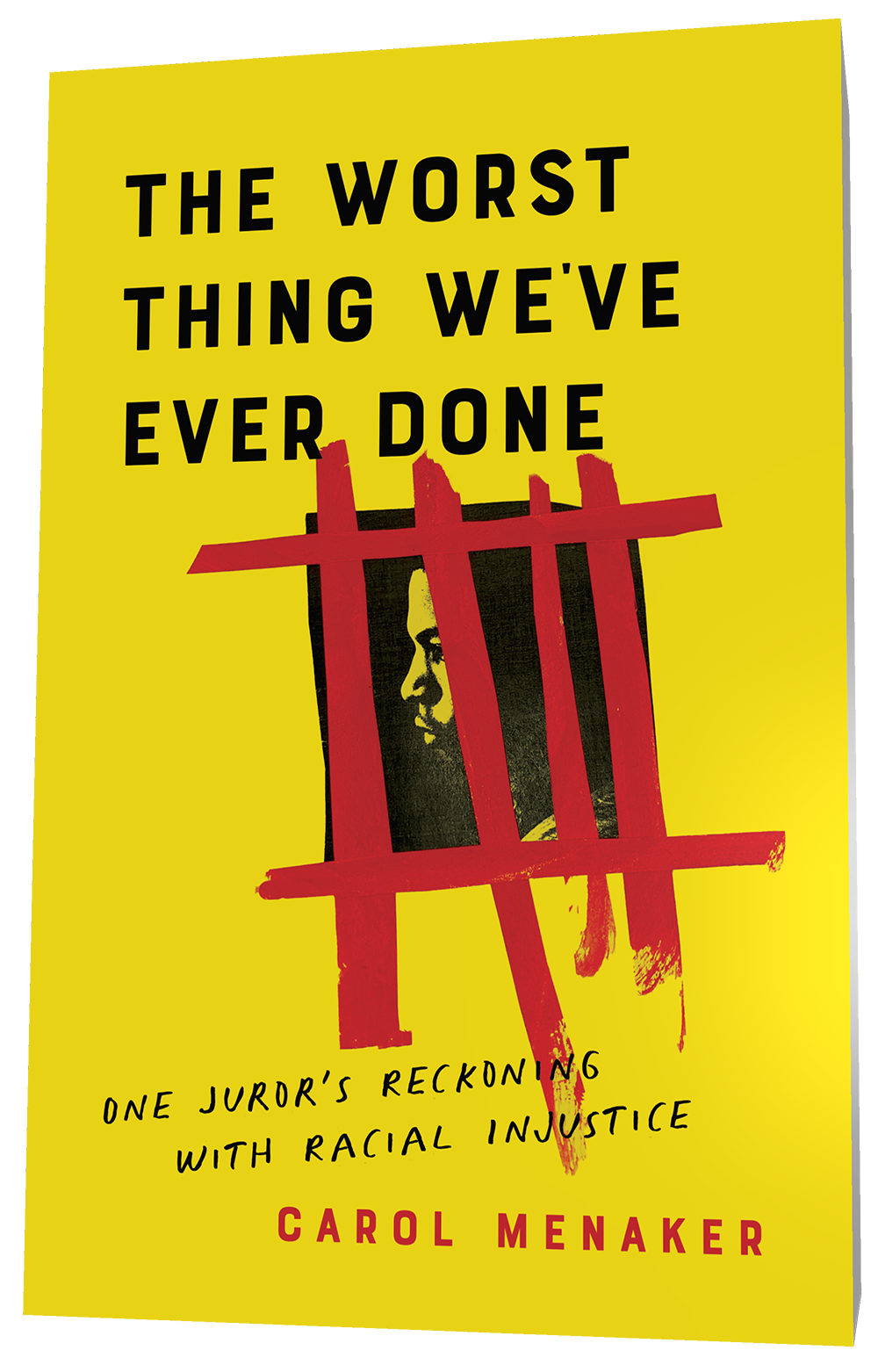
If you've read my book, please share it with others.
If you live in Pennsylvania, contact your state representatives and ask them to do the right thing.
Support the Abolitionist Law Center, whose efforts to challenge Pennsylvania's carceral state are nothing short of inspirational.
And do as Muhammed tells me each time we talk:
Stay strong.